While the Gomateshwara statue is its best-known landmark, the Shravanabelagola temples — a remarkable collection of Jain basadis — are equally worth exploring. Spread across the Vindhyagiri and Chandragiri hills and the town below, these Shravanabelagola temples showcase centuries of Jain devotion and some of the finest Hoysala and Ganga-era stone craftsmanship in Karnataka.
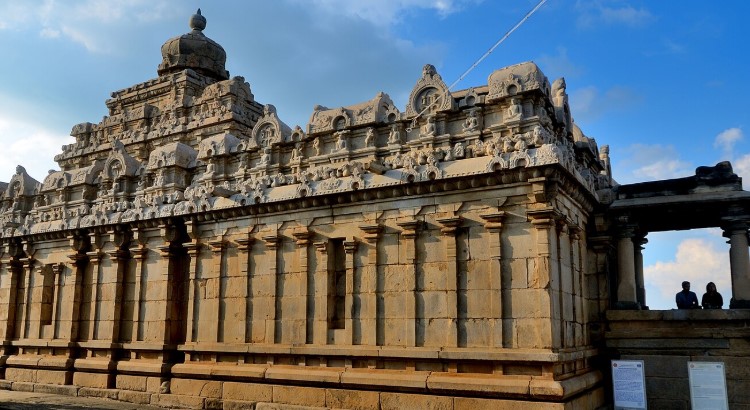
Table of Contents
What Are Basadis?
A basadi (or basti) is a Jain temple, typically housing an image of a Tirthankara. Shravanabelagola is home to dozens of basadis built between the 8th and 12th centuries, many under the patronage of the Western Ganga and Hoysala rulers. Together they make the town an open-air museum of Jain temple architecture.
Temples on Chandragiri Hill
Chandragiri hill has the densest concentration of Shravanabelagola temples. The Chandragupta Basadi, associated with the emperor Chandragupta Maurya, is famed for its intricately carved perforated stone screens depicting scenes from the lives of Bhadrabahu and Chandragupta. The Chamundaraya Basadi (Chavundaraya Basadi), one of the largest on the hill, was built by the same minister who commissioned the Gomateshwara statue and is a fine example of Ganga-Hoysala architecture. Other notable shrines include the Parshvanatha Basadi, with its tall pillar, and the Shantinatha Basadi.
Temples on Vindhyagiri Hill
The climb up Vindhyagiri passes several shrines and gateways, culminating in the enclosure of the Gomateshwara statue itself, surrounded by a pillared corridor with images of Tirthankaras. These structures frame the approach to the giant monolith described in our guide to the Gomateshwara statue.
Temples and Mutts in the Town
At the foot of the hills, the town of Shravanabelagola has the Bhandari Basadi and the Akkana Basadi, both celebrated for their elegant proportions and detailed carvings. The Jain mutt in the town preserves palm-leaf manuscripts, bronzes and paintings, and remains an active centre of the Digambara tradition.
Architecture and Inscriptions
The Shravanabelagola temples display the transition from the austere early Ganga style to the more ornate Hoysala idiom, with lathe-turned pillars, carved ceilings and finely finished Tirthankara images. The site is equally important for its more than 800 inscriptions, which record royal grants, the deaths of ascetics through sallekhana, and the histories of the basadis themselves — a vital source for understanding Jainism in South India.
Frequently Asked Questions
1. Which are the most important Shravanabelagola temples?
Key basadis include the Chandragupta Basadi, Chamundaraya Basadi, Bhandari Basadi and Akkana Basadi.
2. What is a basadi?
A basadi is a Jain temple, usually enshrining an image of a Tirthankara.
3. Where are most of the temples located?
Where are most of the temples located?
Most are on Chandragiri hill, with more shrines on Vindhyagiri and in the town below.
Also read
- Shravanabelagola: Complete Guide to Gomateshwara, Temples & Travel
- Kamal Basti (Kamal Basadi), Belgaum: An Ornate Jain Temple
- Chaturmukha Basadi – A One-of-a-kind Jain Temple
- Varanga – A Picturesque Stop on the Jain Pilgrim Trail