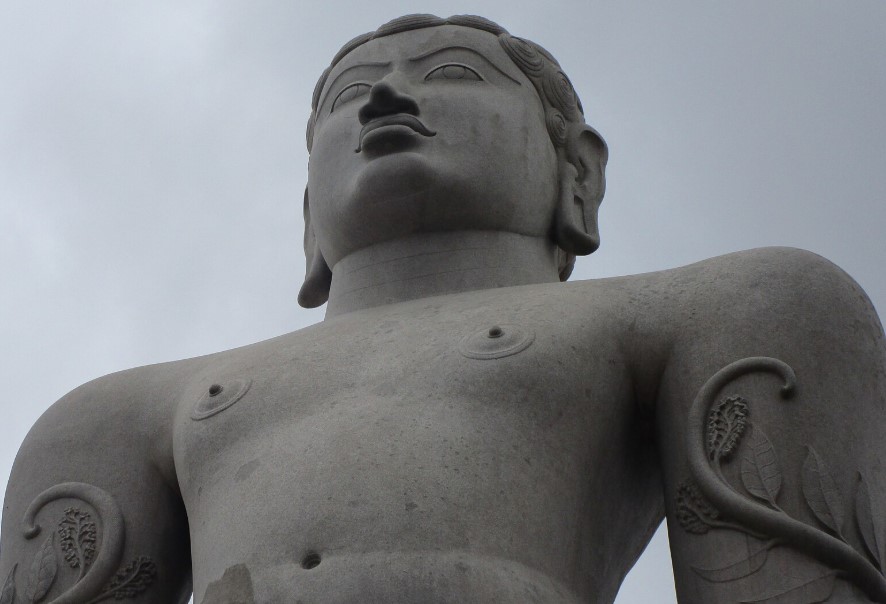
The Mahamastakabhisheka is the grandest religious event held at Shravanabelagola in Karnataka — a spectacular head-anointing ceremony of the Gomateshwara (Bahubali) statue performed once every 12 years. Attracting lakhs of pilgrims from across the world, the Shravanabelagola Mahamastakabhisheka is one of the most important festivals in the Jain calendar and a breathtaking display of faith, ritual and devotion.
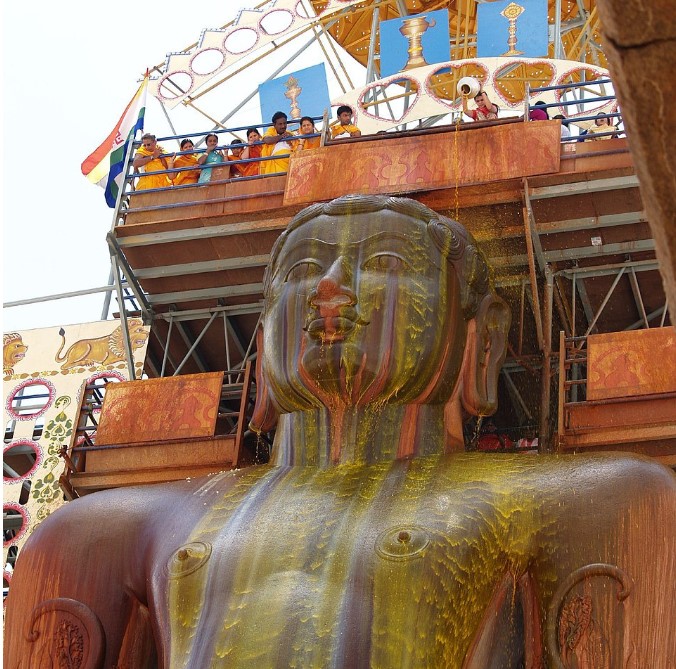
Table of Contents
What Is Mahamastakabhisheka?
Mahamastakabhisheka literally means the “great head anointing.” During this ceremony, the 57-foot monolithic statue of Lord Gomateshwara atop Vindhyagiri hill at Shravanabelagola is bathed with a series of sacred offerings. Devotees ascend specially erected scaffolding to pour these substances over the head of the statue, which then cascade down the entire figure in a mesmerising spectacle witnessed by enormous crowds.
Meaning and Significance
The Shravanabelagola Mahamastakabhisheka celebrates Bahubali’s spiritual victory — his renunciation of worldly power and his attainment of enlightenment through penance. The anointing symbolises the washing away of ego and worldly attachment. For the Digambara Jain community, participating in or witnessing the Mahamastakabhisheka is considered deeply auspicious and a once-in-a-lifetime spiritual experience for many.
History of the Ceremony
The tradition traces back to the consecration of the Gomateshwara statue by Chavundaraya around 981 CE. The first ceremonial anointing is associated with the statue’s original consecration, and the ritual has been repeated across the centuries. Today, the Shravanabelagola Mahamastakabhisheka is a meticulously organised event supported by the Jain mutts, temple trusts and the state administration, drawing pilgrims, scholars and tourists alike.
Rituals and the Anointing
Over the course of the ceremony the statue is anointed with a succession of offerings, traditionally including water, coconut water, sugarcane juice, milk, and pastes of sandalwood, saffron and turmeric, followed by vermilion, and finally a shower of flowers, gold and silver coins, and precious powders. Each substance carries symbolic meaning, and the sequence transforms the grey granite figure with streaks of colour as thousands chant and watch from below.
When Is the Next Mahamastakabhisheka?
The Mahamastakabhisheka at Shravanabelagola is held once every 12 years. The most recent grand ceremony took place in 2018, which means the next Mahamastakabhisheka is expected around 2030. Because dates are fixed according to astrological and religious considerations, it is best to confirm the exact schedule closer to the year of the event.
Tips for Attending
The Shravanabelagola Mahamastakabhisheka draws enormous crowds, so plan travel and accommodation well in advance. Expect long queues, heightened security and temporary infrastructure around Shravanabelagola. Comfortable footwear, sun protection and patience are essential. If you are combining the visit with sightseeing, read our guide on where to stay and eat in Shravanabelagola.
Frequently Asked Questions
1. How often is Mahamastakabhisheka held?
The Mahamastakabhisheka is held once every 12 years at Shravanabelagola.
2. What is poured on the statue during Mahamastakabhisheka?
Offerings include water, milk, sugarcane juice, sandalwood and saffron paste, turmeric, vermilion, and a shower of flowers and precious substances.
3. When is the next Shravanabelagola Mahamastakabhisheka?
The last was in 2018, so the next is expected around 2030.
Also read
- Shravanabelagola: Complete Guide to Gomateshwara, Temples & Travel
- The Jain Saint – Bahubali, Shravanabelagola
- Top 10 Must Visit Jain Monuments In Karnataka