Tucked deep within the verdant wilderness of the Mookambika Reserve Forest in coastal Karnataka, the Moodgal Sri Keshavanatheshwara Temple is one of the most extraordinary and least-explored sacred destinations in the Udupi district. Far from the bustle of popular pilgrimage circuits, this ancient cave temple rewards every visitor with a divine encounter unlike any other. Whether you are a spiritual pilgrim, a nature enthusiast, or an adventurous traveller, the Moodgal Sri Keshavanatheshwara Temple promises an experience that lingers long after you leave.
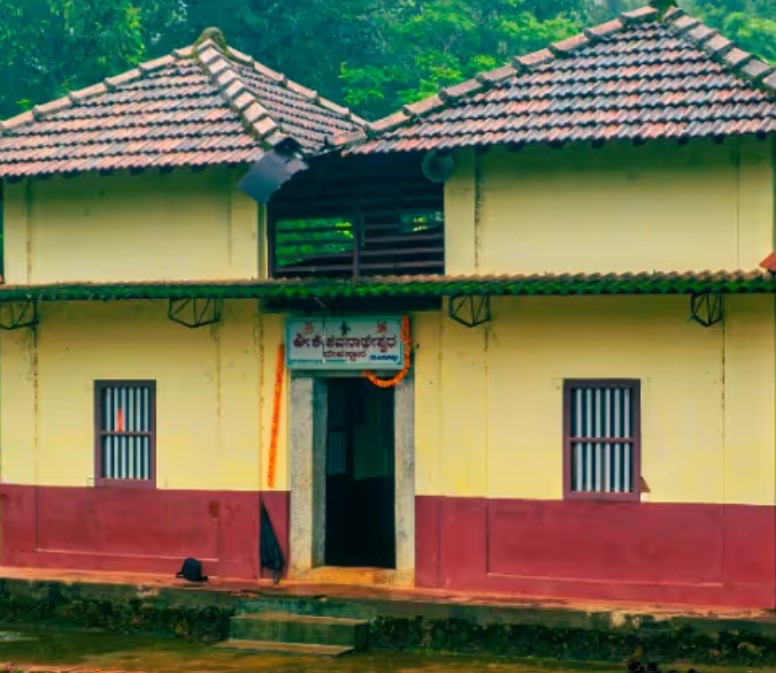
Moodgal Sri Keshavanatheshwara Temple, Keradi History
The Moodgal Sri Keshavanatheshwara Temple is an ancient shrine with roots firmly embedded in the Shaiva traditions of coastal Karnataka. Dedicated to Lord Shiva in his form as Keshavanatheshwara — the supreme lord of all creation — this temple is believed to have been a site of active worship for several centuries, quietly protected by the dense forests and rocky terrain of the Western Ghats foothills.
The temple’s most revered object is a swayambhu Shivalinga — a self-manifested deity, believed to be a direct representation of divine spiritual energy rather than a human creation. Local oral traditions affirm that this linga appeared naturally within the cave and has been worshipped by the communities of Keradi and surrounding villages for countless generations.
For much of its existence, the Sri Keshavanatheshwara Temple remained a closely guarded secret among local communities. The temple is ancient, and only about five to six families live in Moodgal, which is very remote from the city. There is no electricity grid, and people rely on solar power. Because of this remoteness, the temple has been tended by a hereditary priestly family — the Archaka — who continue to reside near the shrine and maintain its ancient rituals with quiet dedication.
In recent years, the temple began attracting wider attention through travel blogs and social media. A visit by acclaimed Telugu actor Jr. NTR, Kantara famed Kannada actor Rishab Shetty and film maker Prashanth Neel further brought the Moodgal Sri Keshavanatheshwara Temple into the public eye, drawing devotees and curious travellers from across Karnataka and beyond. Despite this growing recognition, the temple has admirably retained its pristine, unhurried, and deeply spiritual character.
Speciality of the Temple
What distinguishes the Moodgal Sri Keshavanatheshwara Temple from every other Shiva shrine in the region is its astonishing natural setting combined with a series of rare phenomena found within the cave. This is not merely a place of worship — it is a living marvel where nature and the sacred are inseparable.
The temple’s main attraction is its sanctum sanctorum, located within a natural cave spanning approximately 50 feet in width. The cave holds a mystical charm, with water flowing through its depths, creating a serene environment for worship and reflection. The flowing water within the temple forms a natural pond, home to a variety of fish. Devotees walk through a shallow stream inside the cave to reach the idol, where small fishes swim around their feet, creating an immersive and divine experience.
The temple houses two Shiva Lingas — one installed by people and another that appeared naturally as a swayambhu in clear spring water. This rare dual-linga arrangement is considered deeply auspicious and sets the temple apart from most shrines in the region.
Visitors are drawn not only by the temple’s sacredness but also by the unique experience of traversing through a cave to witness the Shivalinga, wading through water that is said to originate from five different rivers. A Naga (serpent deity) idol is also enshrined within, consistent with the Shaiva worship traditions of coastal Karnataka.
One of the remarkable features of the temple is its consistent water levels throughout the year — even during the driest summer months, the spring never runs dry, a phenomenon that local devotees attribute to divine grace.
Once a year, on the day of Ellu Amavasya, nearly 1,000 to 1,500 pilgrims gather at this temple to offer pooja. The rest of the year, only the Archaka is present. Mahashivaratri is also celebrated here with traditional rituals, devotional music, and communal offerings that draw devotees from surrounding villages.
The journey to the temple itself is a spectacle — the road winds through the Mookambika Reserve Forest, where wildlife such as deer, gaur, and peacocks may be spotted along the way, making the visit a memorable blend of spirituality and nature.
Moodgal Sri Keshavanatheshwara Temple, Keradi Timings
Sri Keshavanatheshwara Temple in Moodgal welcomes devotees every day of the week. The general visiting hours are:
- Opening time: 6:00 AM
- Closing time: 7:00 PM
- Open on: All days
- Entry fee: Free of charge
Since the temple is served by a single resident Archaka in a very remote hamlet, it is strongly advisable to call ahead at least a day before your visit. This not only ensures the temple will be open upon your arrival but also allows the priest’s family to arrange a simple meal if needed — the Archaka family is widely known for their warmth and hospitality. Avoid arriving late in the afternoon, as the final stretch of forest road can be treacherous to navigate after sunset, and there is no artificial lighting in or around the hamlet.
Priest Contact (Archaka): Sri Raghavendra Kunjathaya — +91 94803 20652
How to Reach Sri Keshavanatheshwara Temple in Moodgal
Reaching the Moodgal Sri Keshavanatheshwara Temple is itself part of the pilgrimage. The temple is located approximately 75 km from Udupi city and about 6 km beyond Keradi village, accessible via an off-road track cutting through the Mookambika Reserve Forest.
By Road (Recommended Route): The most reliable route is — Udupi / Kundapura → Tallur → Neralakatte → Keradi → Moodgal. The road from Kundapura to Keradi is tarred and in reasonably good condition. The road to reach Moodgal from Keradi is a mud road. Small cars like Alto, WagonR, and 800 can manage when road conditions are favourable. However, an SUV or vehicle with good ground clearance is strongly recommended, particularly after the rains.
Local Transport from Keradi: A local driver, Sri Manju Kotari Keradi (+91 97418 83927), offers rides from Keradi to the Moodgal temple. Contacting him in advance is highly recommended, especially during or just after the monsoon season.
Nearest Railway Station: Udupi Railway Station, approximately 75 km away. Kundapura Railway Station is a closer option for travellers arriving from the south.
Nearest Airport: Mangalore International Airport, around 120 km away.
Important: Mobile network coverage is unreliable or entirely absent on the forest road to Moodgal. Download offline maps and note all directions before beginning the final leg of your journey.
Best Time to Visit
The Moodgal Sri Keshavanatheshwara Temple can be visited throughout the year, but the experience and road accessibility vary considerably by season.
October to February (Best Season): The post-monsoon and winter months are undoubtedly the best time to visit. The forest is lush and green, the air is pleasantly cool, and the mud roads are relatively firm and passable. This period also coincides with major festivals including Ellu Amavasya and Mahashivaratri, making it ideal for those who want both a spiritual and festive experience.
March to May (Good, but Warm): Summer visits are perfectly feasible. The roads are at their driest and most accessible, and the temple is quieter, lending itself to a more personal, meditative pilgrimage. Midday heat can be intense, so an early morning start is advisable.
June to September (Avoid if Possible): The rest of the year — outside of the Ellu Amavasya period when the people of Keradi repair the road — road conditions may be poor. A week before Ellu Amavasya, locals repair the road so that vehicles can reach Moodgal Temple. Heavy monsoon rains render the mud track extremely slippery and often impassable, making visits during peak monsoon inadvisable.
Where to stay?
The distance from Udupi to Sri Keshavanatheshwara Temple, Moodgal is 68 km. Tourists can either stay in Udupi or stay in Mangalore, which is about 122 km.
Practical Tips for Visitors:
- Carry a change of clothes and a towel — wading through the cave water is part of the experience
- Bring a bag of raw rice to offer the sacred fish inside the cave
- Wear sturdy closed footwear suitable for uneven, wet terrain
- Do not carry single-use plastics into the forest — the community maintains strict cleanliness
- Carry a torchlight in case your return is delayed beyond dusk
- Plan to depart from Udupi or Kundapura no later than 7:30–8:00 AM for a comfortable day visit
The Moodgal Sri Keshavanatheshwara Temple is far more than a pilgrimage destination — it is a rare communion between the human spirit and the untamed natural world. In a landscape of increasingly crowded temples, Moodgal stands quietly apart: wild, timeless, and wholly alive with the presence of the divine. A visit here is not just a journey to a temple — it is a journey inward.
Also read
- Udupi Sri Krishna Matha
- Ashta Mathas of Udupi
- Sree Venkataramana Temple
- Yelluru Shri Vishweshwara Temple