
Yeduru Basavanna, Hampi – An Ancient Sculpture
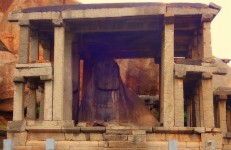
Yeduru Basavanna in Hampi is a monolithic sculpture of a bull. It is one of the prominent sculptures of Hampi and is a huge attraction among the tourists.
Hampi — Karnataka’s City of Ruins
Hampi is where the Vijayanagara Empire left its capital written in stone. Spread across a boulder-strewn landscape on the banks of the Tungabhadra in Vijayanagara district, the site holds more than 1,600 surviving monuments — temples, royal enclosures, market streets, aqueducts and gateways — and has been a UNESCO World Heritage Site since 1986. In the 16th century this was one of the largest and richest cities in the world; today it is Karnataka’s most rewarding heritage destination, and one of the few where a 500-year-old temple is still in daily worship.
Hampi was part of Ballari district until November 2021, when the Karnataka government carved out a new Vijayanagara district — the state’s 31st — with Hosapete (Hospet) as its headquarters. Older guidebooks, maps and road signs still place Hampi in Ballari, so travellers will encounter both names.
This section of Karnataka.com brings together everything we’ve published on Hampi: temple-by-temple guides to Virupaksha, Vittala and the Yantrodharaka Hanuman shrine, the celebrated Stone Chariot, the Royal Enclosure, the ruins after dark, the annual Hampi Utsav, and where to stay — from backpacker guesthouses in Hampi Bazaar to luxury resorts across the river.
To learn more about Hampi, click here.
Planning a visit: October to February is the comfortable season, when Hampi Utsav is usually held. Hosapete (Hospet), about 13 km away, is the nearest railhead; Jindal Vijaynagar Airport at Toranagallu is the closest airport, with Hubballi and Bengaluru as bigger alternatives. Allow two full days — one for the sacred centre, one for the royal centre.
Yeduru Basavanna in Hampi is a monolithic sculpture of a bull. It is one of the prominent sculptures of Hampi and is a huge attraction among the tourists.
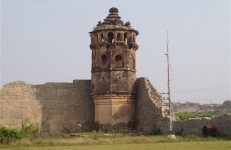
Zenana Enclosure in Hampi is a secluded area meant for the royal women of the Vijayanagara Empire. The highlight of the area is the impressive Lotus Mahal.
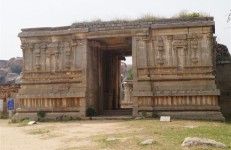
Varaha Temple in Hampi is an impressive structure that is known for its wall carvings. The beautiful temple bears images of the Royal insignia on its wall.
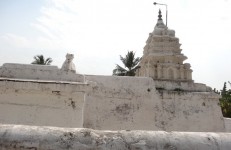
Uddana Veerabhadra Temple in Hampi is dedicated to the demon king Veerabhadra. It has the largest statue of Veerabhadra built during the Vijayanagara days.
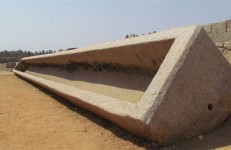
The Stone Trough in Hampi is a water trough that was used to provide drinking water to the horses. It is situated within the ruins of the Royal Enclosure.
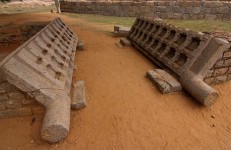
Stone Doors in Hampi is part of the ruins in the Royal Enclosure. The monolith stone doors represent the artistic talent of the workers of the ancient era.
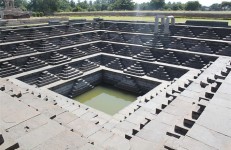
Pushkaranis in Hampi are huge water tanks. Most of the big temples have a pushkarani near it. Some of the water tanks display amazing architectural beauty.
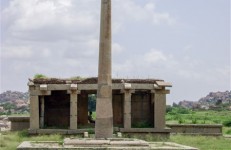
Pan Supari Bazaar in Hampi is a ruined market place that is located in front of the Hazara Rama Temple. The once famous market is no more functional today.
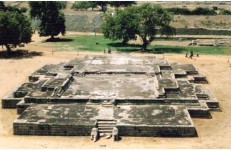
The Palace of Vira Harihara in Hampi is located within the Royal Enclosure. This ruined structure in Hampi is still visited by a large number of tourists.
Kampa Bhupa’s Path in Hampi is a two km long trek that starts from near the Hampi Bazaar and ends near the Vittala Temple. The trek covers a rocky terrain.