Chamarajeshwara temple located in Chamarajanagar in Karnataka is a splendid depicture of the Dravidian architecture. The temple supposed to be built in the 10th century. The temple has a Hoysala design architecture with various paintings with colored adhesive sections from the various mythological chapters.
It also contains decorations that feature Gods and various Goddesses on the walls and the compounds of the temple. These designs are quite mind-blowing which attracts thousands of devotees and art lovers to the temple. The temple is popular for the big courtyards with golden apex.
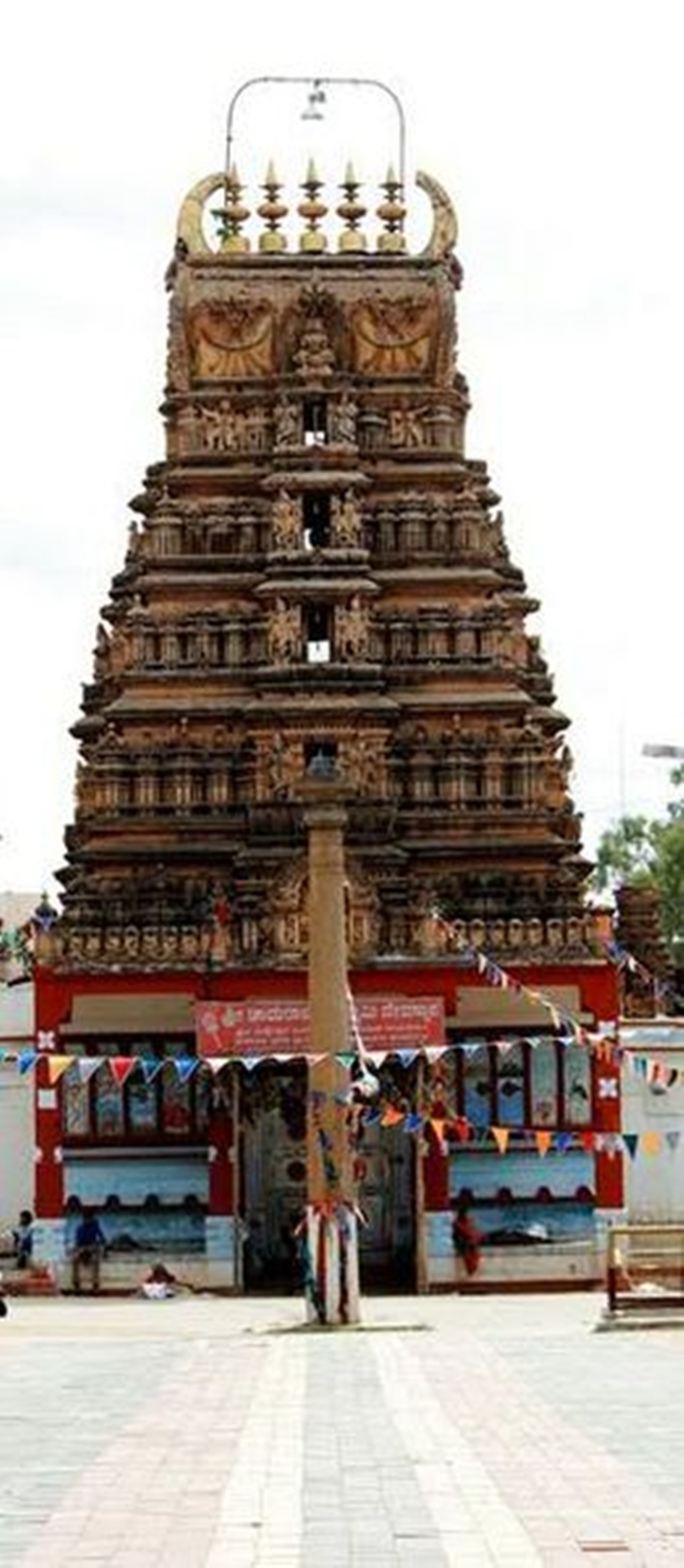

The chanting of the Bhilavastakam mantras echoes from the temple in the streets of Chamarajanagar in the praise of Lord Shiva. Chamarajanagar was earlier known as Arikotara (ari- enemy and Kotara – Axe). With the birth of Sri Jayachamrajendra Wodeyar in 1776 in the Mysore Dynasty, the city got renamed as Chamarajanagar.
Quick Facts about Chamarajeshwara Temple, Chamarajanagar
Timings: Mon-Sun: 05:30 AM – 12:00 PM, 06:30 PM – 09:30 PM
Address: Chamarajeshwara Temple, Chamarajanagar, Galipur, Chamarajnagar – 571313 (MAP)
History of Chamarajeshwara Temple
Mummadi Krishna Raja Wodeyar, who placed the Chamarajeshwara linga in the temple, built the temple in the commemoration of his father Sri Jayachamarajendra Wodeyar. The temple contains the Shiv linga made and brought from Sringeri and the temple was built with the blessings of Adi Shankaracharya, founder of the Advaita Siddhanta.
The temple has a huge inscription slab at the Janana Mantap which throws information on the origin of King Chamarajendra Wodeyar.
Architecture of Chamarajeshwara Temple
The marvelous Hoysala architecture is showcased in the 70 feet high five tier Rajagopuram with five scintillating brass Kalasha facing the east. The temple also has two stages in the front of the temple where many cultural festivals are organized. The temple has many carvings of Gods and Goddesses on the walls which attract thousands of art lovers. Lord Ganesha on the left and Goddess Chamundeshwari on the right side at the entrance welcomes the devotees. The garba griha ,the mukha mantapa and the Nandi mandapa contains many carvings which showcase the Dravidian architecture.
Nandi idol made of concrete covered with an iron shield is placed right in front of Lord Shiva at the entrance. A huge praakara or an enclosure wall that resembles the fort encompass the whole temple containing the 64 sculptures of Gods and Goddesses. Inside the Sanctum sanctorum is Lord Shiva, then Lord Snapana Ganapati which is the bathing Ganesha at Navarang and six lingas in different niches. The form Chandikeshwara of Lord Shiva is outside the sanctum. The major attraction here is the Navagrahas which receive more devotees especially during the Amavase or the new moon day.
Art forms in Chamarajeshwara Temple
It is said that the representations in the temple were taken from Balamurali temple in Srirangapatanam. The walls contain many depictions of images from the Girija Kalyana, the famous Samudra Manthan which are colored using the paint made by crushing the colored blue, red and yellow stones powder with diamond gum. Similar ones are also used in the statue of Chamundeshwari. Kempananjambha goddess was installed in the commemoration of Mummadi Krishna Raja Wodeyar’s mother to the left side of Chamarajeswara also contains the similar artwork.
The temple art is unique and long lasting. The paintings are maintained in the professional style of artists belonging to the Somavamsha Dynasty and can be seen in most of the temples in the Mysore area.
Major Festivals in Chamarajeshwara Temple
The Chamarajeshwaraswamy Rathayathra with four chariots is one of the famous festival celebrated during Ashada (July -August) in Chamarajanagara. The Rathyatra attracts the newly married couples as they adhere the ritual of throwing a pair of ripe bananas under the chariot while its rolling. The main ratha used here is around 167 years old and was manufactured by the Basavaraje Urs of Urs Dynasty who served as the royal treasurer or Bhakshi in the Mysore Palace in 1835 during the Wodeyar dynasty. The other chariots prominently include the Kempananjamba Ammanavara Ratha.
Girija Kalyana is another major festival celebrated with great pomp and grandeur in Chamarajanagara every year in June.
How to Reach Chamarajeshwara Temple
By Road
Chamarajanagar is well-connected to major cities by road. Bangalore is around 185km and many buses ply in this route from the city. The temple is in the heart of the city, hence easily spotted. Mysore city is approximately 60km away from Chamarajanagara.
By Rail
Direct trains are available from Bangalore during the day to Chamarajanagara (180 km) and even via Mysore (204 km). Chamarajanagara is the nearest railway station.
By Air
Tourists can board flights from Bangalore or Mysore. From the airport tourists, can hire a taxi or bus to reach Chamarajanagara which is around 138.2 km from Bangalore.