
Lakshmi Narasimha Statue, Hampi – Grandeur amidst Ruins
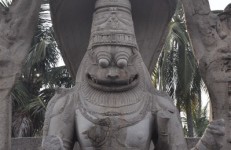
Lakshmi Narasimha statue in Hampi is a large monolith sculpture. The grand statue is known for its unique architecture. It is a major tourist attraction.
Hampi — Karnataka’s City of Ruins
Hampi is where the Vijayanagara Empire left its capital written in stone. Spread across a boulder-strewn landscape on the banks of the Tungabhadra in Vijayanagara district, the site holds more than 1,600 surviving monuments — temples, royal enclosures, market streets, aqueducts and gateways — and has been a UNESCO World Heritage Site since 1986. In the 16th century this was one of the largest and richest cities in the world; today it is Karnataka’s most rewarding heritage destination, and one of the few where a 500-year-old temple is still in daily worship.
Hampi was part of Ballari district until November 2021, when the Karnataka government carved out a new Vijayanagara district — the state’s 31st — with Hosapete (Hospet) as its headquarters. Older guidebooks, maps and road signs still place Hampi in Ballari, so travellers will encounter both names.
This section of Karnataka.com brings together everything we’ve published on Hampi: temple-by-temple guides to Virupaksha, Vittala and the Yantrodharaka Hanuman shrine, the celebrated Stone Chariot, the Royal Enclosure, the ruins after dark, the annual Hampi Utsav, and where to stay — from backpacker guesthouses in Hampi Bazaar to luxury resorts across the river.
To learn more about Hampi, click here.
Planning a visit: October to February is the comfortable season, when Hampi Utsav is usually held. Hosapete (Hospet), about 13 km away, is the nearest railhead; Jindal Vijaynagar Airport at Toranagallu is the closest airport, with Hubballi and Bengaluru as bigger alternatives. Allow two full days — one for the sacred centre, one for the royal centre.
Lakshmi Narasimha statue in Hampi is a large monolith sculpture. The grand statue is known for its unique architecture. It is a major tourist attraction.
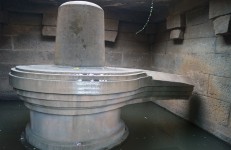
Badavilinga Temple, Hampi is a temple of Lord Shiva. The temple has the largest monolithic Shiva Linga in Hampi and is visited by tourists throughout the year.
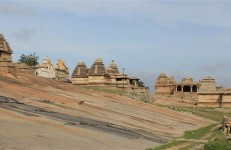
Hemakuta group of temples in Hampi are a cluster of ancient temples situated on the Hemakuta hilltop. Most of the temples here are dedicated to Lord Shiva.
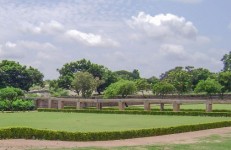
Hampi was once a thriving place and formed an important part of the Vijayanagara Empire. In addition to its beautiful monuments and temples, Hampi
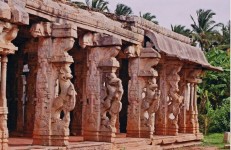
Chandikesvara Temple in Hampi is a famous temple dedicated to Lord Vishnu. It is famous for its carved pillars and is one of the main attractions of Hampi.
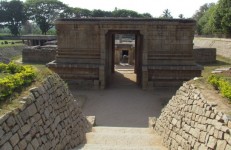
Prasanna Virupaksha temple is also known as the Underground Shiva Temple. The temple is situated below the ground level and is often flooded with water.
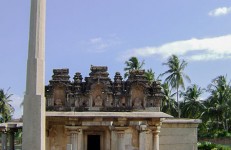
Ganagitti Temple in Hampi is a Jain temple. It was constructed during the early days of the Vijayanagara Empire. It is a well-known tourist destination.
Tenali Rama Pavilion in Hampi is a pillared hall named after the legendary poet Tenali Rama. The structure is partially damaged but still attracts visitors.
Courtesan Street (Soolai/Sule Bazaar), Hampi is a deserted temple street. Known as the dancing-girls street, it has exquisitely carved pillars on both sides.
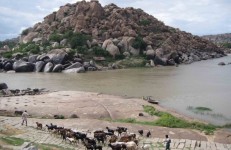
Chakratirtha is the most sacred bathing spot in Hampi. The water in Chakratirtha is considered to be auspicious and holy by pilgrims since ancient times.