In Kannada, the year begins in the month of Chaitra (March/April according to the Gregorian calendar) and the new year is celebrated as Ugadi. This festival marks the start of the new year in the Kannada calendar and is celebrated with great enthusiasm across Karnataka. Families clean their homes, prepare festive dishes, and decorate their houses with mango leaves. Here is the list of 12 months in Kannada, along with their corresponding English names, a brief description of each month, and its significance.
12 Months In Kannada
| Names of English months | Names of Kannada months | Description |
|---|---|---|
| April | Chaitra | This month is significant for new beginnings. It marks the arrival of spring and is associated with various festivals, including Ugadi. People prepare special dishes like Puran Poli, which is made of sweetened lentils wrapped in a thin dough. |
| May | Vaishakha | Known for its agricultural importance, this month witnesses the harvesting of crops. Festivals like Akshaya Tritiya are celebrated, where people buy gold and initiate new ventures |
| June | Jyeshta | This month is often associated with high temperatures. It is a time when many rituals are observed to appease the rain gods. People also prepare cooling drinks and special dishes to combat the heat |
| July | Ashadha | Ashadha signifies the onset of the monsoon season. It is a time for planting crops, and various festivals celebrate the arrival of rain. The famous festival of Ashadha Amavasya is celebrated to honor ancestors |
| August | Shravana | This month is considered highly auspicious. Devotees worship Lord Shiva and various festivals such as Raksha Bandhan are celebrated. Special foods are prepared, and many follow fasting rituals |
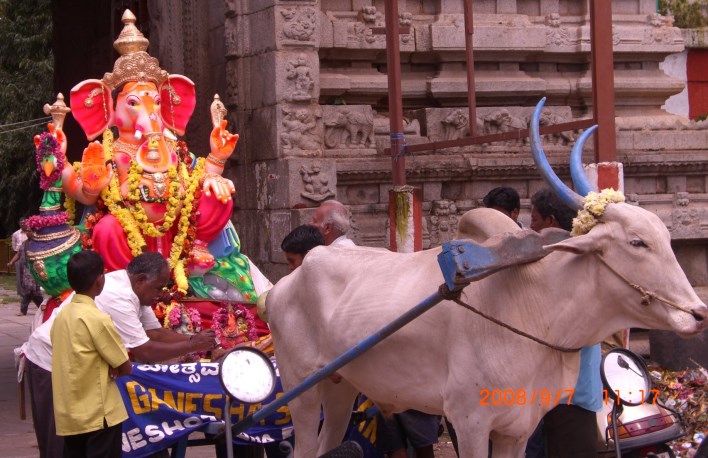
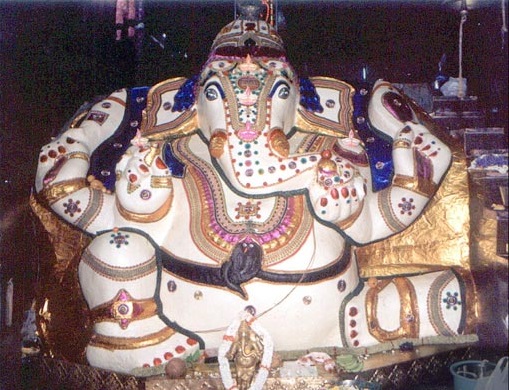
| September | Bhadrapada | The month of Bhadrapada is filled with festivities. Ganesha Chaturthi, a festival honoring Lord Ganesha, is celebrated with great fervor, featuring elaborate decorations and prayers. |
| October | Aashvija / Ashwin | This month marks the beginning of the harvest season. Navaratri, a nine-night festival dedicated to Goddess Durga, is celebrated, involving dance, music, and fasting. |
| November | Kaarthika / Kartika | Kartika is significant for its association with light and festivals. Diwali, the festival of lights, is celebrated, symbolizing the victory of light over darkness, and people light lamps and burst fireworks. |
| December | Margashirsha | This month is known for its spiritual significance. Many people engage in religious practices and visit temples. The full moon of this month is considered auspicious for rituals. |
| January | Pushya | Pushya is a month of prosperity and growth. It is often associated with the harvest festival, and many people perform rituals to seek blessings for abundance. |
| February | Magha | This month is a time for reflection and is associated with the end of winter. People often take holy dips in rivers and perform rituals to cleanse themselves. |
| March | Phalguna | Phalguna marks the end of the year in the Kannada calendar and is celebrated with the festival of Holi, where colors are thrown, symbolizing joy and the arrival of spring. |
Understanding the 12 months in Kannada not only helps appreciate the cultural context but also connects one with the agricultural cycles and festivals that are vital to the community’s way of life. Each month has its unique festivals, rituals, and traditions that reflect the values and beliefs of the Kannada-speaking people. Engaging with these traditions can enrich one’s experience and understanding of Karnataka’s diverse culture.
Also read about the rich culture and traditions surrounding these months.