If you’re looking for a destination that blends ancient history, stunning architecture, and an unhurried pace of life, Gadag tourism deserves a spot on your travel list. Tucked away in northern Karnataka, Gadag is one of those towns that doesn’t shout for attention but quietly impresses everyone who makes the effort to visit. Whether you’re a history enthusiast, a temple trail explorer, or simply someone tired of the usual tourist crowds, Gadag offers a refreshingly authentic experience.

Gadag Tourism: History
Gadag’s story stretches back more than a thousand years. The town was a thriving cultural and commercial hub during the Chalukya and Kalachuri dynasties, and later came under the influence of the powerful Hoysala and Vijayanagara empires. This succession of rulers left behind a remarkable architectural legacy, most visible in the town’s beautifully carved temples.
The region is particularly associated with the Kalyani Chalukyas (also known as the Western Chalukyas), who ruled from the 10th to the 12th century and made Gadag one of their important centres. Their influence is stamped all over the town in the form of intricately detailed stonework that still amazes visitors today. Gadag was also historically significant as a weaving town — it gave its name to the famous “Gadag saree,” a cotton textile with a distinctive texture that continues to be woven by local artisans.
Gadag Tourism: Tourist Places in Gadag
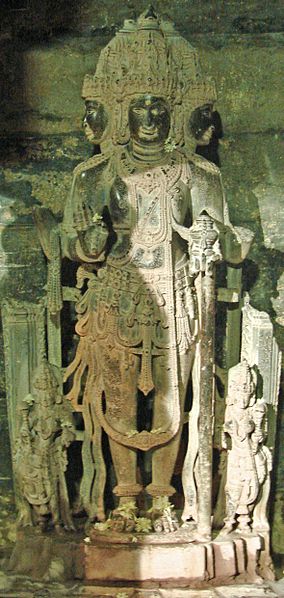
Trikuteshwara Temple Complex: The crown jewel of Gadag tourism is undoubtedly the Trikuteshwara Temple Complex, a breathtaking group of temples that dates back to the 11th and 12th centuries. Built in the Chalukyan style, these temples are covered in exquisite carvings — gods, dancers, animals, and geometric patterns layered one over the other with almost obsessive precision. The main temple is dedicated to Lord Shiva, and the complex also houses the Saraswati Temple, which contains one of the most finely carved Saraswati idols in all of Karnataka. Mornings are a particularly peaceful time to visit.
Someshwara Temple: Located not far from the Trikuteshwara complex, the Someshwara Temple is another fine example of Chalukyan craftsmanship. It’s quieter and less visited, which actually makes it a wonderful place to linger and observe the details at your own pace.
Veerabhadreshwara Temple, Lakkundi: Just about 11 km from Gadag town lies Lakkundi, a village that punches well above its weight in terms of heritage. The Veerabhadreshwara Temple and the Kasivisvanatha Temple here are masterclasses in Chalukyan temple architecture. Lakkundi is also notable for its ornate stepped well (pushkarni), one of the most beautiful in the region. If you’re visiting Gadag, Lakkundi is non-negotiable.
Brahma Jinalaya: The Brahma Jinalaya in Lakkundi, built around the 11th century, is one of the oldest Jain temples in Karnataka and a marvel of early Chalukyan workmanship. Its finely sculpted pillars and tower make it a must-visit for anyone with even a passing interest in ancient religious architecture.
Dambala Temple Complex: The Dambala Temple Complex, located about 20 km from Gadag, is a serene cluster of Chalukyan-era temples that often flies under the radar even among heritage travellers. The intricate stonework and the quiet rural setting together make it a rewarding detour off the main tourist trail.
Dattatreya Temple: The Dattatreya Temple in Gadag is a significant pilgrimage site dedicated to Lord Dattatreya, the combined form of the Hindu trinity. Devotees visit year-round, and the temple has a calm, spiritually charged atmosphere that sets it apart from the more overtly touristy sites in town.
Magadi Bird Sanctuary: Located about 26 km from Gadag, the Magadi Bird Sanctuary is a peaceful wetland that attracts a variety of migratory and resident bird species, making it a quiet delight for birdwatchers. Early mornings during the winter months are especially rewarding, when the lake draws painted storks, pelicans, and a host of waders.
Naga Kunda: Located in Sudi, about 25 km from Gadag, the Naga Kunda is a beautifully constructed ancient step well adorned with carved naga (serpent deity) panels that speak to the region’s centuries-old tradition of serpent worship. Its tiered stone architecture and serene village setting make it a quietly fascinating stop for anyone travelling the heritage circuit around Gadag.
Ron: Approximately 30 km from Gadag, it is home to the magnificent Mahadeva Temple, yet another outstanding example of Chalukyan architecture and well worth a quick detour.
Jumma Masjid: The Jumma Masjid in Gadag is a fine example of Indo-Saracenic architecture and a reminder of the town’s layered cultural history. The mosque is an active place of worship, and its elegant arched façade is worth a respectful visit during non-prayer hours.
Kappada Mallesha Temple: The Kappada Mallesha Temple is a popular local shrine dedicated to Lord Shiva and draws steady crowds of devotees, especially during festivals. The temple has a distinct regional character and reflects the deep-rooted Shaivite traditions that have shaped Gadag’s cultural identity for centuries.
Gadag’s Handloom Weaving Centres: For a more contemporary experience, a visit to one of Gadag’s traditional handloom centres offers real insight into the town’s living cultural heritage. Watching weavers craft the distinctive Gadag saree on wooden looms is a calming, almost meditative experience — and picking up a saree or two makes for a far more meaningful souvenir than a fridge magnet.
Best Time to Visit Gadag
The best time for Gadag tourism is between October and March, when the weather is pleasant and ideal for sightseeing. Temperatures during this period hover between 15°C and 30°C, making it comfortable to explore the outdoor temple complexes and walk through the town. Summers (April to June) can be quite harsh, with temperatures climbing above 40°C, so it’s best to avoid this period unless you’re a seasoned heat-tolerator. The monsoon (July to September) brings some relief from the heat and turns the surrounding countryside lush and green, but dusty roads can become muddy and sightseeing can be disrupted.
If you can time your visit around a local festival — particularly the annual fairs held at the Trikuteshwara temple — you’ll get to witness the town come alive in a way that no guidebook can fully capture.
How to Reach Gadag
By Train: Gadag has its own railway junction, making it one of the more accessible heritage towns in northern Karnataka. It is well connected to Hubli (about 55 km), Bengaluru, Hospet, and other major cities. Several express and passenger trains pass through daily.
By Road: Gadag is connected by state highways to Hubli, Dharwad, Hospet, and Badami. KSRTC buses run regularly from Hubli and other nearby towns. If you’re driving, the roads are generally in decent condition and the journey from Hubli takes about an hour.
By Air: The nearest airport is Hubli Airport (Hubballi), approximately 55 km away, which has flights to Bengaluru, Mumbai, and Hyderabad. From Hubli, you can hire a taxi or take a bus to Gadag with ease.
Gadag Tourism: Places to Visit Near Gadag
One of the great advantages of Gadag’s location is that it sits within striking distance of some truly spectacular destinations.
Hampi (approx. 115 km): A UNESCO World Heritage Site and one of India’s most iconic archaeological destinations, Hampi was once the capital of the Vijayanagara Empire. The ruins sprawl across a dramatic boulder-strewn landscape along the Tungabhadra River — the Virupaksha Temple, the stone chariot at Vittala Temple, the elephant stables, the Queen’s Bath — each site more impressive than the last. Hampi is best explored over at least two days, and a trip from Gadag fits naturally into any itinerary of the region.
Badami (approx. 100 km): Another jewel of Karnataka’s heritage circuit, Badami was the capital of the Early Chalukya dynasty and is home to four remarkable rock-cut cave temples carved into a red sandstone cliff in the 6th century. The town also has the Bhutanatha temple complex sitting beside a serene green lake, and the hilltop Badami Fort with panoramic views. The nearby towns of Aihole and Pattadakal — both major Chalukyan temple sites — are also easily reachable from Badami, making this area a heritage lover’s dream.
Hubli-Dharwad (approx. 55 km): The twin cities of Hubli and Dharwad serve as a convenient base and gateway for the region. Dharwad is particularly famous for its pedha (a milk sweet), its literary culture, and the Unkal Lake. Worth a few hours on your way to or from Gadag.
Savanur (approx. 65 km) A quiet town with a fascinating history as the seat of the Savanur Nawabs, Savanur has a palace, a mosque, and a charming old-town atmosphere that most travellers completely overlook.
Gadag may not have the name recognition of Hampi or the fame of Mysuru, but that’s precisely part of its charm. Gadag tourism offers something increasingly rare — a genuine connection with Karnataka’s ancient past, without the crowds, the commercialisation, or the rush. Go there, slow down, and let the stone carvings tell you their stories.