
Karnataka’s landscape is dotted with forts built by the dynasties that once ruled the region, from the Chalukyas and Hoysalas to the Vijayanagara Empire, the Adil Shahis, and the Marathas. These forts serve as a testament to the state’s rich historical narrative, showcasing architectural brilliance and strategic military prowess. Well-known strongholds like Badami, Chitradurga, and Gulbarga sit alongside lesser-known hill forts such as Madhugiri, Savandurga, and Kavaledurga, as well as the coastal island forts of Bahadurgad and Kurmagad.
This page offers a comprehensive exploration of forts across the state, from active tourist sites with well-preserved structures to lesser-visited ruins that still stand, whispering tales of the past. Each fort tells a story of its own, often linked to the kings and queens who once resided within its walls. Delve into the list below for individual fort guides and locations across Karnataka, where history and heritage come alive.
No tourist survey is complete without mentioning Karnataka’s historical forts. The vast array of ancient capitals, including Bidar, Gulbarga, Bijapur, Vijayanagara, Badami, Basava Kalyan, Srirangapattana, Keladi, Chitradurga, and Mysore, all had their forts, each playing a crucial role in the region’s defense and administration. These forts not only offer spectacular views but also provide insight into the architectural styles and military strategies of the time. Exploring these historical sites can be a fascinating journey through time, revealing the stories of conquests, betrayals, and the eventual decline of once-mighty kingdoms. Visitors can engage with the narratives that shaped Karnataka’s identity through these majestic forts.
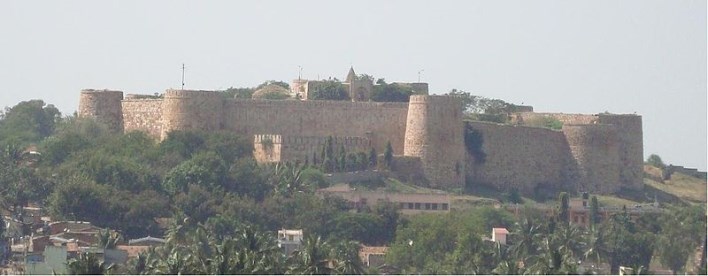
One standout example is Saundatti Fort, which boasts impressive fortifications and panoramic views of the surrounding landscape. Constructed during the 18th century, it served as an important military outpost. The fort’s architecture reflects the ingenuity of its builders, with thick walls designed to withstand sieges and a strategic location that offers an advantage over potential attackers. In addition to its military significance, Saundatti Fort is steeped in local legends, making it a popular destination for history enthusiasts and tourists alike. Visitors can explore the ruins, learn about the fort’s storied past, and enjoy the breathtaking scenery that surrounds this historic site.
There are hill forts at the
- Badami Fort – A Regal Structure
- Ballalarayana Durga Fort, Chikmagalur
- Chandragutti Fort, Shimoga
- Chitradurga Shahapur (Gulbarga district)
- Devanahalli Fort
- Gulbarga Fort
- Kittur Fort and Palace, Belgaum
- Nandi Hill (Kolar district)
- Jaladurga Fort, Raichur
- Jamalabad in Dakshina Karnataka
- Kavaledurga Fort, Shimoga district
- Madhugiri
- Madikere Fort, Coorg
- Manzarabad near Sakleshpur (Hassan district)
- Midigeshi (Tumkur district)
- Nargund fort in Gadag built by Shivaji (Dharwad district)
- Parasgad and Vallabhgad forts (Belgaum district), also raised by Shivaji.
- Pavagada
- Sandur (Bellary district)
- Saundatti Fort (Belgaum)
- Savanadurga (Bangalore district)
- Shorapur (Gulbarga district)
- Ucchangi near Davanagere (Bellary district)
- Vanadurga Fort, Shorapur, Yadgir
Bangalore, Devanahalli, Magadi (Bangalore district), Aymangala in Chitradurga district, Chikbanavar in Hassan district, Belgaum have fortifications around part of the towns even now.
The coastal island forts, such as Bahadurgad, Basavaraja Durga, Devagad, and Kurmagad, are as strong as they were in their heyday.
Another remarkable site is the iconic Savandurga Fort, perched atop one of the largest monoliths in Asia. This fort is not only a marvel of engineering but also a hub for trekking enthusiasts. The trek up to the fort is challenging yet rewarding, offering stunning views of the surrounding forests and hills. The fort’s strategic location made it a key defensive structure during its time, and today it attracts both history lovers and adventure seekers.
Furthermore, the historic Jamalabad Fort near the town of Sakleshpur stands as a monument to the military architecture of the past. Originally built by the Mysore Wadiyars, the fort has been remarkably well preserved. Visitors can explore its walls and learn about the strategic importance it held during various conflicts. The site also offers educational tours that delve into the fort’s role in regional history and its transformation over the years.
The forts of Karnataka are not merely remnants of the past; they are dynamic sites of culture and history, attracting tourists from all over the world. These locations often host festivals and events that celebrate local traditions, further enriching the visitor experience. Whether it’s a re-enactment of historic battles or cultural fairs, the forts come alive with activities that engage the community and promote heritage tourism.
Visitors should also consider exploring the coastal island forts such as Bahadurgad and Basavaraja Durga, which provide a unique perspective on maritime defence strategies. These forts were crucial for protecting trade routes and serve as a reminder of Karnataka’s rich naval history. The serene waters surrounding these forts enhance their beauty, making them ideal spots for photography and relaxation. The juxtaposition of history and natural beauty creates a compelling narrative for those eager to learn more about Karnataka’s diverse heritage.
In conclusion, the forts of Karnataka offer a deep dive into the region’s history, culture, and architecture. They are not just buildings; they are storytellers of the past, bearing witness to the triumphs and trials of the great dynasties that once ruled here. As you explore these historical sites, you’ll gain insights into the art of fortification, the life of the inhabitants, and the significance of these structures in the broader context of Indian history. Enthusiasts and casual visitors alike will leave with a richer understanding of Karnataka’s cultural tapestry as interwoven with its impressive forts.