Sharavathi Valley Trek – only a true adventure enthusiast can appreciate it. Sharavathi Valley forms a beautiful part of the Western Ghats. To be precise, it lies in the Shimoga district of Karnataka. The ecological scape is no short of a paradise on earth. Gorgeous waterfalls and streams form a part of the evergreen valley as it is lined by deciduous trees. Its backwaters have led to the formation of different islands.
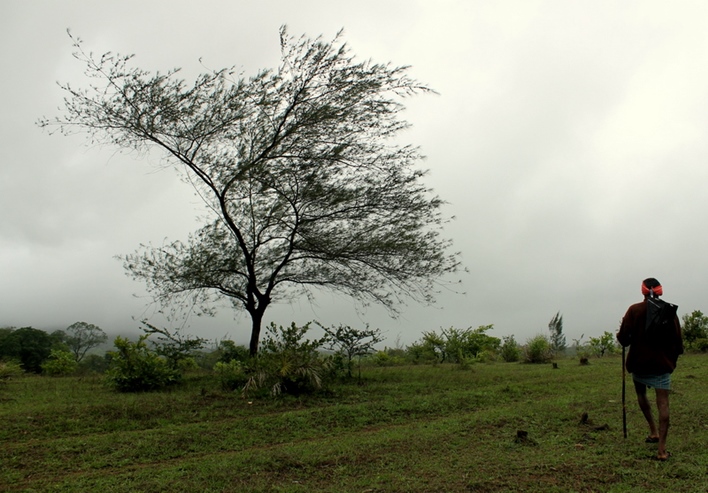
It is equally rich in its fauna and tigers, spotted deer, sloth bear, jackals, the endangered lion-tailed macaque, king cobra, pythons and wild pigs are found amongst many others. The months of October through February should work out to be the best, with the temperatures maxing out in the month of April.
Legend and Origin of Sharavathi Valley
Sharavathi Valley gets its name from its river’s place of origin. River Sharavathi originated in Ambutheertha of the Thirthahalli taluk. Legend has it that Lord Ram used his Ambu or bow and shara or arrow to shoot at the ground, as his wife, Sita, was thirsty. Due to the impact, water oozed out of the ground, also referred to as thirtha, and quenched Sita’s thirst. The 128-kilometre long river forms the famous Jog Falls along the way and joins the Arabian Sea at the Honnavar region.
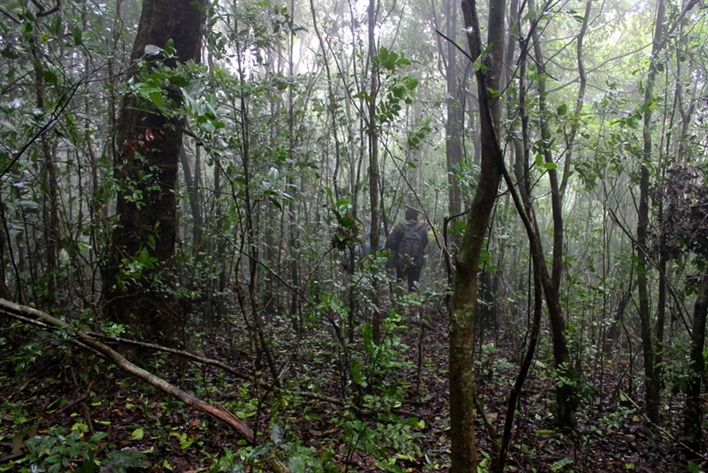
Trek through the woods. Image courtesy: sabupaul
Sharavathi Valley Trek Trails
You can follow one of the following trek routes:
Sharavathi Valley Trek Trail One: The trek requires three days and incorporates not just hiking along the valley, but stops at waterfalls, dams and other scenic places too. It begins at Kattinakaru and moves towards Bellingundi and its falls. This requires two days. Day three leads you to Meguru falls.
Sharavathi Valley Trek Trail Two: An alternate to the above route would be to start from Karni and then head to Bellingundi. This can be followed by trekking to Padubeedu and camping at one of the tribal houses there.
Sharavathi Valley Trek Trail Three: If you begin the trek at Bheemeshwara cross, you can visit Bheemeshwara falls and then continue the trek up to Meyyalli before treading towards Halgodu and finishing up at Kannoor and then the River Sharavathi, after a round to the Dabbe Falls.
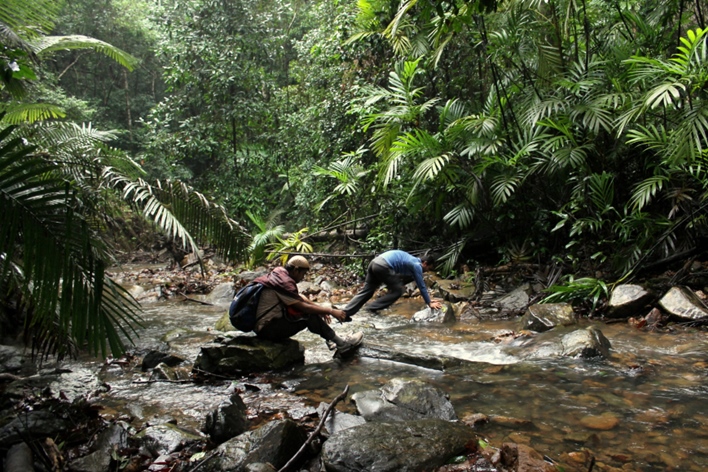
Activities and Sightseeing at the Valley
Besides trekking, Sharavathi Valley has a lot to offer. Owing to its scenic landscape and dense forests, it sees a remarkable influx of visitors. Here are some of the activities you can engage in and some of the sights of interest along the way.
Jog Falls: A trip to the valley is considered void if it isn’t accompanied by a layover at one of the highest waterfalls of the country, namely Jog Falls. A quick detour takes you to the Linganmakki Dam nearby.
Camping: Camp at the backwaters of Sharavathi. Spend some time bird-watching or star-gazing and cook up a stew or barbecue at the base. Serving as the perfect way of unwinding, this can easily be done on at least one or two nights of the trek.
Visit the religious institution: The Ramachandrapura Math has been quite a controversial Hindu institution situated on the banks of River Sharavathi. Owing to the controversy surrounding the guru of the math, many people back out of it.
Visit the reservoir island: The reservoir island of Honnemaradu lies within the Sagar taluk area of the district. It is known for its water sports, thereby attracting lots of tourists every year. Based on the time you have, you can engage in kayaking, windsurfing or canoeing. This serves as a paradise for bird-watchers.
How to Reach Sharavathi Valley
By Air
The closest airport to this place is Kempegowda International Airport, which is about 350 kilometers away. The next closest one is Mangalore Airport which is around 140 kilometres approximately.
By Rail
To reach Sharavathi Valley by rail, you can hop onto the train at Bangalore Railway Station or Mangalore Railway Station.
By Road
Driving down from Bangalore would be a good idea via Sagar. The other option is to take a bus till Sagar. Once you reach Sagar, Gubbagodu is just 20 odd kilometers from there.